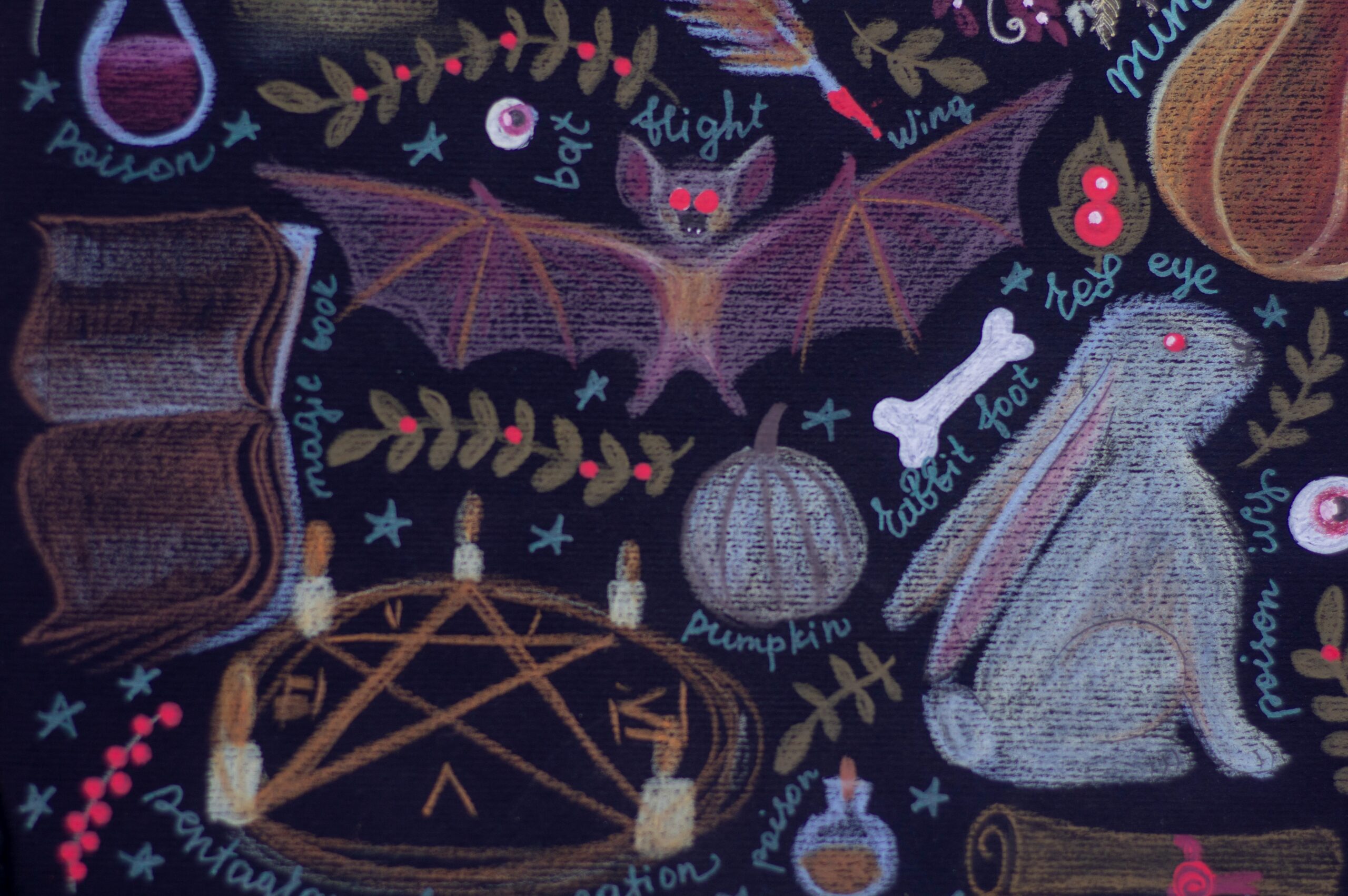
Voodoo, also spelled Vodou, Vodun, or Voudon, is a complex and diverse spiritual tradition originally from West Africa and strongly influenced by the diaspora through the transatlantic slave trade, particularly in Haiti, but also present in other parts of the Caribbean, the United States, and Brazil. Its practices and beliefs incorporate elements of African religious…
Tag: Belief Systems
What is Confucianism?
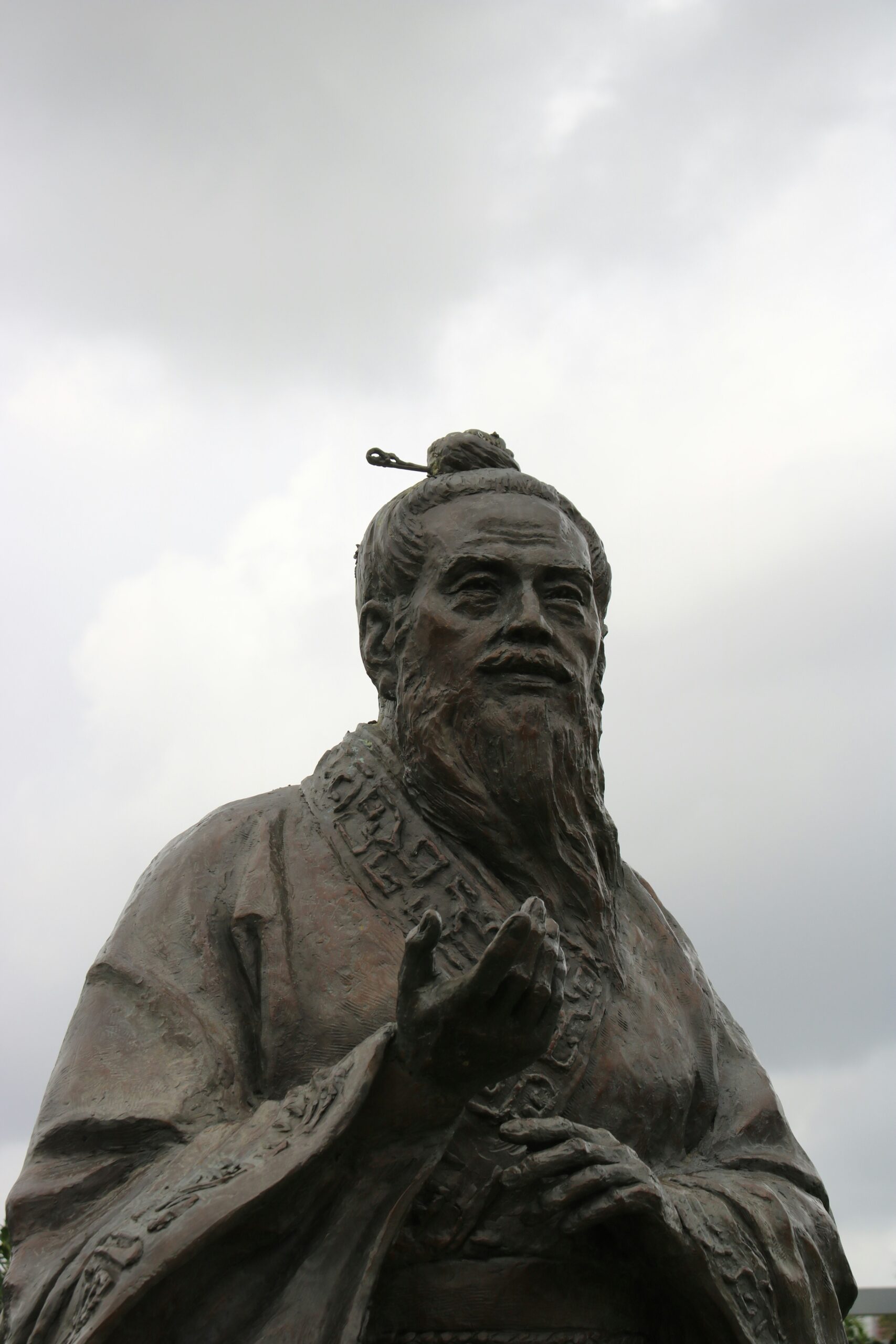
Confucianism, founded by Confucius in the 6th century BCE in ancient China, is more a system of ethical and philosophical teachings than a religion in the traditional sense. It has deeply influenced the cultural and social structures of China and other East Asian countries. The core principles of Confucianism emphasize morality, proper social relationships, justice,…
What is Hinduism?
Hinduism, one of the world’s oldest religions, is a complex faith with diverse practices and beliefs. It is characterized by a variety of scriptures, deities, philosophical schools, and practices. Despite this diversity, there are several core principles and concepts that are widely recognized within Hinduism: 1. Dharma (Ethical Duty)Dharma is a central concept in Hinduism,…
What is Sikhism?
Sikhism, founded in the late 15th century by Guru Nanak Dev in the Punjab region of South Asia, is a monotheistic religion that emphasizes devotion to God, communal service, and the equality of all humans. The religion has grown from the teachings of Guru Nanak and his nine successors (the Ten Gurus). Here are some…
What is Taoism?
Taoism, also known as Daoism, is an ancient Chinese philosophical and religious tradition that emphasizes living in harmony with the Tao, which can be translated as “the Way” or “the Path.” Taoism advocates for simplicity, spontaneity, and naturalness in all aspects of life. While Taoism encompasses a wide range of beliefs and practices, several core…
What is Judaism?
Judaism, one of the oldest monotheistic religions, is built upon a rich tradition of laws, teachings, and ethical principles found primarily in the Hebrew Bible (Tanakh) and the Talmud. While the interpretation and emphasis of these principles can vary among different Jewish denominations and communities, there are several core principles that are central to Judaism:…
What is christianity?
Supposedly, Christians share the following systemic beliefs, which form the core beliefs that are generally agreed upon across various denominations. They include the following: 1. Belief in God: Christians believe in one God who exists in three persons: Father, Son, and Holy Spirit. This concept is known as the Trinity. 2. Jesus Christ as the…
What is Islam?
Supposedly, Muslims share the following systemic beliefs, which form the core beliefs that are generally agreed upon. They include the following: Islam is centered around the belief in one God and follows a series of foundational principles and practices that are essential to the faith. These principles, often referred to as the “Five Pillars of…
What is Buddhism?
Supposedly, Buddhists share the following systemic beliefs, which form the core beliefs that are generally agreed upon. They include the following: Buddhism, founded by Siddhartha Gautama (the Buddha) over 2,500 years ago in what is now Nepal, is based on principles intended to help individuals alleviate suffering and achieve enlightenment or Nirvana. The teachings of…
What is Shintoism?
Supposedly, Shinto adherents share the following systemic beliefs, which form the core beliefs that are generally agreed upon. Shinto, often described as the indigenous faith of Japan, is more a system of rituals and practices rooted in ancient traditions and beliefs rather than a codified religious doctrine with a unified set of theological beliefs. It…