
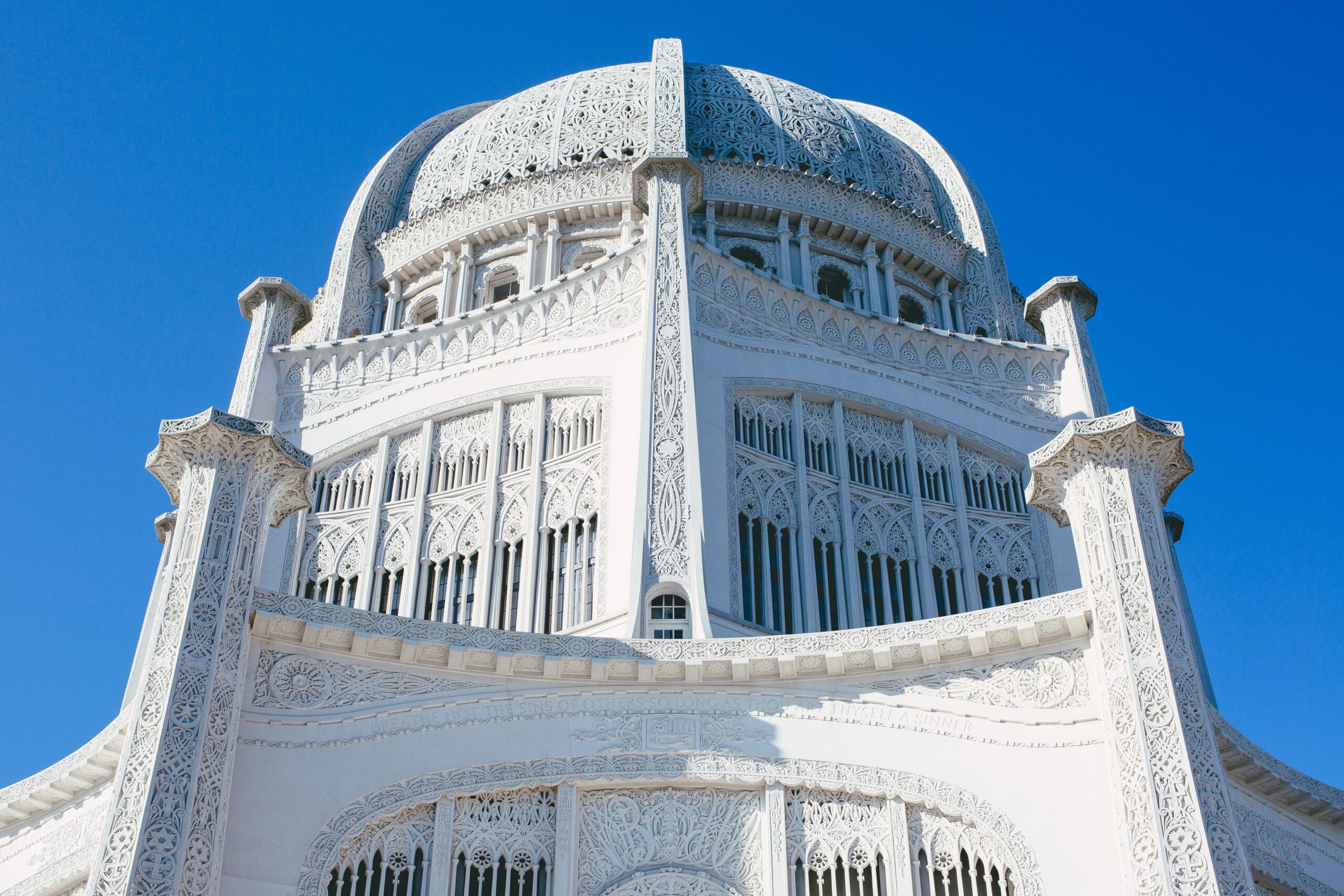
Supposedly, those of the Bahá’í share the following systemic beliefs, which form the core beliefs that are generally agreed upon. They include the following: The Bahá’í Faith is a monotheistic religion founded in the mid-19th century by Bahá’u’lláh, who is regarded as the latest in a line of prophets or messengers that includes Abraham, Moses,…
Month: March 2024
What is Native American Religion?
Native American religions are remarkably diverse, reflecting the wide range of cultural and geographic conditions experienced by the indigenous peoples of North America. Each tribe has its own distinct religious beliefs, practices, and rituals, but there are some common principles that frequently appear across many Native American cultures. Here are a few key concepts that…
What is Shintoism?
Supposedly, Shinto adherents share the following systemic beliefs, which form the core beliefs that are generally agreed upon. Shinto, often described as the indigenous faith of Japan, is more a system of rituals and practices rooted in ancient traditions and beliefs rather than a codified religious doctrine with a unified set of theological beliefs. It…
What is Buddhism?
Supposedly, Buddhists share the following systemic beliefs, which form the core beliefs that are generally agreed upon. They include the following: Buddhism, founded by Siddhartha Gautama (the Buddha) over 2,500 years ago in what is now Nepal, is based on principles intended to help individuals alleviate suffering and achieve enlightenment or Nirvana. The teachings of…
What is Islam?
Supposedly, Muslims share the following systemic beliefs, which form the core beliefs that are generally agreed upon. They include the following: Islam is centered around the belief in one God and follows a series of foundational principles and practices that are essential to the faith. These principles, often referred to as the “Five Pillars of…
What is christianity?
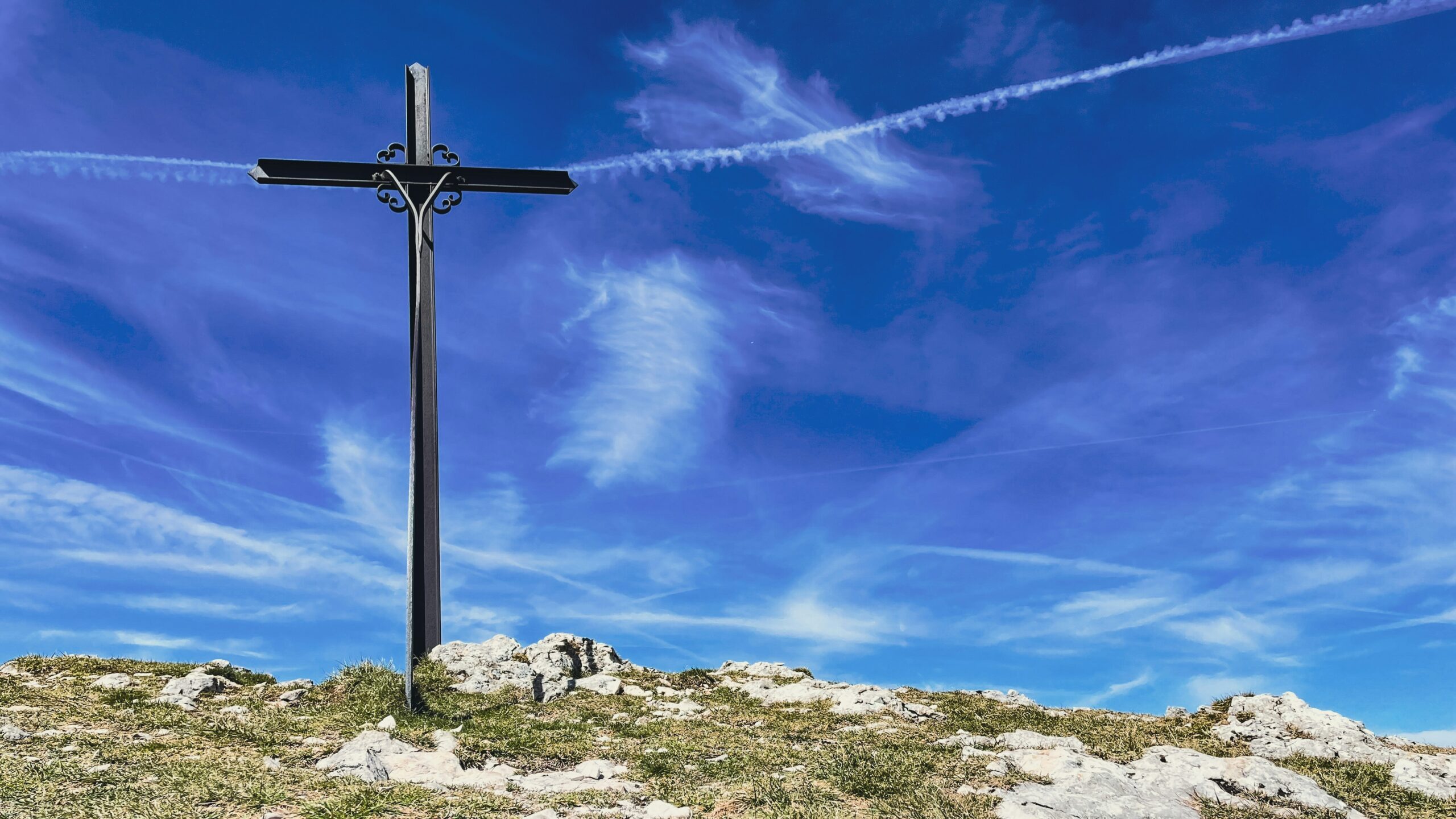
Supposedly, Christians share the following systemic beliefs, which form the core beliefs that are generally agreed upon across various denominations. They include the following: 1. Belief in God: Christians believe in one God who exists in three persons: Father, Son, and Holy Spirit. This concept is known as the Trinity. 2. Jesus Christ as the…
Tranquility Base
Tranquility refers to a state of calmness, peacefulness, and quiet. It’s the absence of disturbance or agitation, both externally and internally. Tranquility can be experienced in various environments, such as serene natural settings like a quiet forest, a calm lake, or a secluded beach. It’s a state of being where there is a sense of…
Serenity Harbor
Serenity Harbor is a name for the safe harbor we’re all trying to find. But we’ve always had our safe harbor; it’s always existed: in our minds. Having a serene mind and demeanor is a mark of good mental and emotional health. But how to sail into that safe harbor is the problem. It involves…
Principles
Guiding philosophical principles: We have four circles around us in which to find (or from which to escape to find) tranquility, peace, serenity, and solace: Self, center, contacts, and community. Self Our basic commitments are sourced from several religions/philosophies/ideas or whatever you want to call them. That is the definition of “syncretic:” Uniting different systems…
Syncretism
Syncretism is “uniting, or attempting to unite, different systems, as of philosophy or religion.” Or, in more detail: Syncretism is the combination of different beliefs, practices, or cultural elements from diverse traditions into a new, cohesive whole. This process often occurs in contexts where multiple cultures intersect and interact, such as through colonization, migration, or…